Learning from the Past, Designing for the Future - Health Mall, Meriden, CT

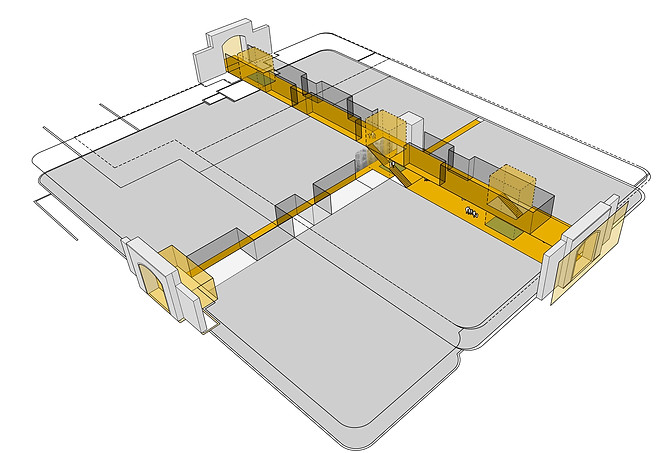
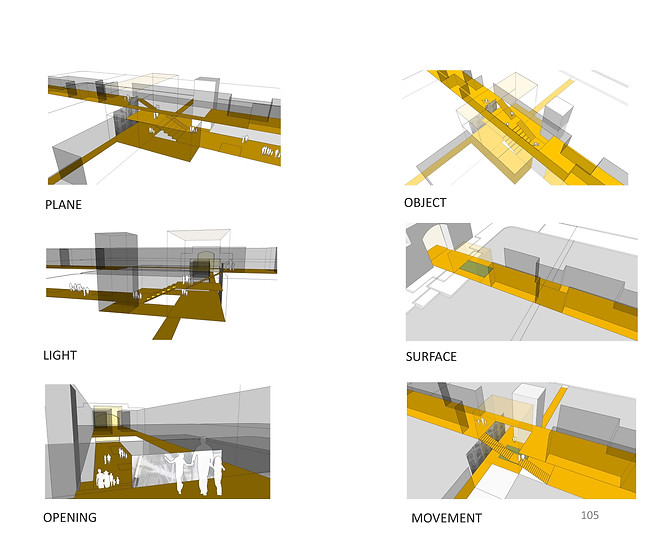
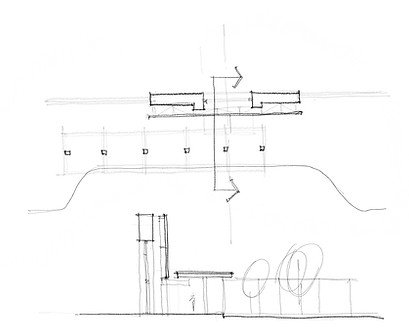
A conceptual framework for a case of adaptive reuse.
Can adaptive reuse serve as a catalyst for future-oriented urban regeneration?
This research focuses on identifying patterns within adaptive reuse practices. It explores how underutilized structures, like recently closed big-box stores and malls, can be reimagined as platforms for experimentation where repair is understood not only as structural but relational. This project demonstrates that architecture can be responsive rather than prescriptive, and its cultural and material engagement is deeply rooted in the communities it serves. Across the global landscape, vacant retail centers have drawn renewed attention from planners, architects, and developers seeking new models of use. According to Credit Suisse estimates, between 20–25% of existing malls will close between 2022–2025. These spaces, once shaped by patterns of consumption, now present opportunities to support emerging civic programs and inclusive community infrastructure. While often dismissed as relics of the late capitalist economy, many of these malls and big-box stores played meaningful roles in shaping local identity. They served as economic engines and social centers, offering employment, public gathering space, and a sense of shared civic life. Their decline has left a visible void—physically and symbolically—in the communities they once served. As these spaces fall into disuse, their reuse becomes not only a spatial challenge but a cultural imperative. This study proposes a framework for regenerative architectural intervention in post-commercial spaces. It investigates how the adaptive reuse of malls can integrate architectural strategies of care, prioritizing environmental sensitivity, collective memory, and adaptability for future uses.